AI-Based Medical Card Data Extraction for Appointment Scheduling

AI-Based Medical Card Data Extraction for Appointment Scheduling Industry: Healthcare…
technovateJune 27, 2025


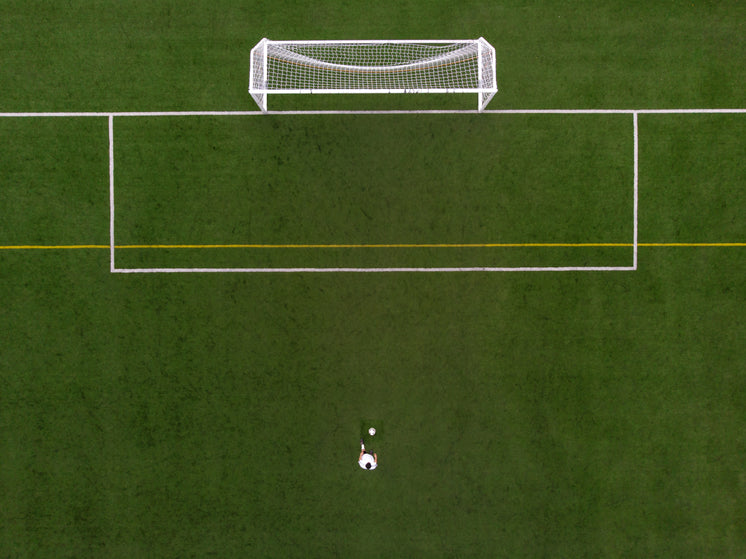
To significantly improve your chances of converting spot opportunities, Crash X Football focus on the placement of your shots. Aim for the corners of the goal, where the goalkeeper’s reach is limited. Research indicates that approximately 80% of successfully taken strikes are targeted towards the lower corners.
Practicing under pressure is essential. Simulate match conditions by incorporating time challenges or distractions during training. Studies show that athletes perform better when replicating real-game scenarios. Build mental resilience by visualizing successful outcomes before each attempt.

Adopt a consistent run-up technique to strike a balance between power and precision. Variability in approach may lead to inaccuracies. Analyze your body positioning and follow-through to ensure you maintain control. A steady, confident approach can notably increase your conversion rate.
Video analysis can be a powerful tool. Record your attempts and critically assess your technique. Look for patterns, such as how body language influences the goalkeeper’s movement. Adjusting your strategy based on these insights will further refine your execution.
Visualize the moment before the shot. Focus on a specific target rather than the goalkeeper. This mental strategy can reduce anxiety and improve accuracy. Aim for a corner of the goal; envision it clearly to enhance confidence during execution.
Developing a pre-shot routine allows for emotional regulation. Consistent actions, like taking a deep breath or adjusting your position, create familiarity. This predictability helps in managing stress, translating to greater success on the field.
Confidence is often rooted in past performance. Reflect on successful attempts, using these memories as mental anchors. This technique can increase self-assurance and lead to better execution during critical moments.
Understand the opponent’s tendencies. Analyzing the keeper’s movement patterns can provide an edge. Knowing which side they favor may guide decision-making and increase the likelihood of scoring.
Accepting uncertainty is vital. No shot is guaranteed, and embracing this fact frees players from the fear of failure. This acceptance can heighten focus and clarity, leading to improved outcomes.
Train your mind as rigorously as your body. Visualization exercises, where you mentally rehearse scoring scenarios, can improve psychological preparedness. Repeating these mental images reinforces neural pathways, enhancing actual performance during games.
Staying composed is key. Practicing mindfulness techniques, such as meditation, can build emotional resilience. A calm state of mind leads to better decision-making, ensuring a clear focus on executing the shot accurately.
Visualize the target before you take the shot. This mental rehearsal helps to reinforce focus and intention. Identify the specific area within the goal where you aim to place the ball. Marking a section of the net not only gives you a target but also aids in enhancing precision.
Choose a consistent run-up. Variations in approach angles can lead to inconsistency in execution. Typically, a straight run-up directly towards the ball minimizes distractions and enables better control. Ensure your last few strides build momentum while maintaining balance.
Foot placement is key. Position your non-kicking foot 6-12 inches away from the ball. Angle it towards your intended target, ensuring your body is aligned. Strike the ball with the laces for maximum speed or the inside of your foot for greater accuracy. Regular drills focusing on both techniques can significantly improve reliability during crucial moments.
Observe the goalkeeper’s positioning as you prepare to strike. A keeper leaning too far to one side can reveal their intended dive. This presents an opportunity for you to place the ball in the opposite direction, increasing your chances of scoring.
Goalkeepers often exhibit patterns based on their previous encounters with shooters. Analyze past performances and study video footage to identify tendencies. For instance, some keepers consistently dive right during high-pressure situations. Recognizing these patterns can allow you to predict their movements.
Timing is another key factor. As you start your run-up, look for subtle cues from the goalkeeper. If they make an early move, you can adjust your shot placement accordingly. Staying aware of their actions will add an extra layer of precision to your execution.
Visualize your shot before executing. Imagine the ball finding the target as you perform your routine. This mental simulation helps boost confidence, which directly impacts accuracy. A focused mindset allows for better decision-making during crucial moments.
Consider varying your approach to keep the goalkeeper guessing. Frequent changes in shot placement, speed, and angle can disrupt their anticipation, making it more challenging for them to align their body for a save.
Lastly, practice under pressure. Incorporating high-stakes scenarios into training will simulate match conditions. Train with distractions or time constraints to improve focus and maintain composure when it counts the most.